|
|||||||||||||||||||||||||||
 |
|||||||||||||||||||||||||||
| a place to thrive | |||||||||||||||||||||||||||
 |
Local
agriculture is a central feature of Solano County's culture,
quality of life, and economic well-being. Solano Orderly Growth has focused on protecting
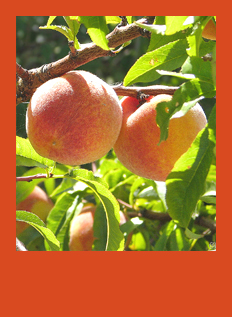
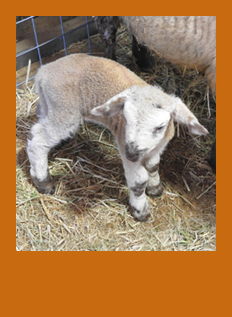
agricultural lands since its inception in 1984. The roots of Solano County's agriculture run deep, with county pioneer, John Wolfskill, raising cattle in the 1840s. In the years that followed, he became the first local to plant fruit trees and vineyards. He also became the first farmer to pump water from Putah Creek to irrigate his orchards. When a railroad line was built near his properties, he became the first supplier of California fruit for sale in the Eastern states. The city of Dixon is known as "Lambtown USA" because at one point, more lambs were born there than anywhere else in the nation. Vacaville, named after one of the early settlers of the area, Juan Vaca, enjoys the nickname, "Cowtown." ("Vaca" means "cow" in Spanish.) In Suisun Valley--Fairfield's "backyard"--rich soils help growers produce everything from olive oil to corn, wine grapes to soy beans. The city of Rio Vista is located on the Sacramento River, and the hills surrounding the town have been used for dry farming and ranching for generations. |
||||||||||||||||||||||||||
|
Suisun City sits at the northern edge of Suisun Marsh, which is part
of the Pacific Flyway. Levees were built in the marsh to reclaim
land for agricultural endeavors during the late 1800s, but after
many decades of increasing salinity levels, the soils were no longer
were viable for crops. Today, Rush Ranch Open Space is open to the
public as a example of how ranches in the marsh once operated. Both Benicia and Vallejo are known for their maritime history, but back in the 1800s, they shipped local fruits, vegetables, and grains to gold mining towns via inland waterways. Today, cattle still roam their hills, and locals encourage community gardening and sustainable backyards. |
|||||||||||||||||||||||||||
 |
According to the UC Agricultural Issues Center, Solano has nine
distinct agricultural regions. This is due to the county's geography
and microclimates, contributing to the agricultural diversity we
enjoy here.* Solano County's Annual Crop & Livestock Report offers the following Value Summary for 2024:
|
||||||||||||||||||||||||||
 |
The Report also
breaks down the top 10 commodities:
|
||||||||||||||||||||||||||
| More information on the 2024 Solano County Crop & Livestock Report * | |||||||||||||||||||||||||||
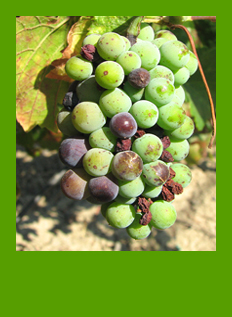 |
Solano County is part of the famous North
Coast American Viticultural Area (AVA), the unique growing area that
also includes Napa, Sonoma, Marin, Mendocino, and Lake Counties. The
North Coast AVA boasts the climate attributes of cool evenings and
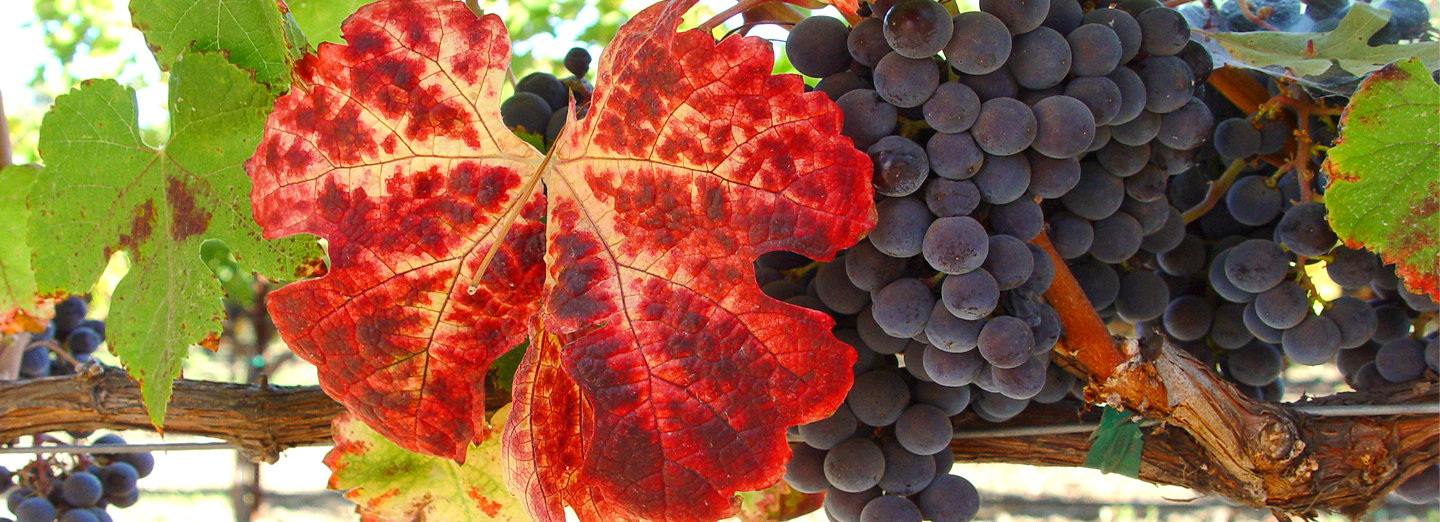
warm days that are ideal for fine wine-making. Suisun Valley has supplied quality wine grapes to large wineries since the 1980s, and since 2000, local wines have become highly regarded. Suisun Valley and Green Valley both have earned "sub-appellations" within the North Coast AVA. Besides Suisun Valley and Green Valley, vineyards and wineries are located in other locations around the county as well. Growers in English Hills and Pleasants Valley to the north of Vacaville planted grapes in the 1800s, and several vineyards carry on the tradition in the 21st century. Portions of two other small AVAs extend into Solano County, the Wild Horse Valley AVA along our border with Napa County, and the Clarksburg AVA along our border with Yolo County. |
||||||||||||||||||||||||||
| the importance of water | |||||||||||||||||||||||||||
 |
Since the 1880s,
County leaders have understood how vital reliable water supplies are
to agriculture. Today, all water used in Solano County comes from
one of three sources: · groundwater · the Solano Project via the Putah South Canal · the State Water Project via the North Bay Aqueduct · continue reading > |
||||||||||||||||||||||||||
 |
* read more about Solano's agricultural regions here > Solano Agricultural Regions * > See the entire 2024 Crop & Livestock Report |
||||||||||||||||||||||||||
 |
|||||||||||||||||||||||||||
| TOP | |||||||||||||||||||||||||||
| © 2026 Solano Orderly Growth Committee | |||||||||||||||||||||||||||